

Reverse Mortgage: Scam or Strategy?
Despite the bad reputation reverse mortgages have received, they are actually a fantastic tool for the right homeowner. A lot of the negative perceptions stem from misunderstanding and myth. We’ll cover those in a bit, but let’s start with what reverse mortgage actually is.
So, what exactly is a reverse mortgage?
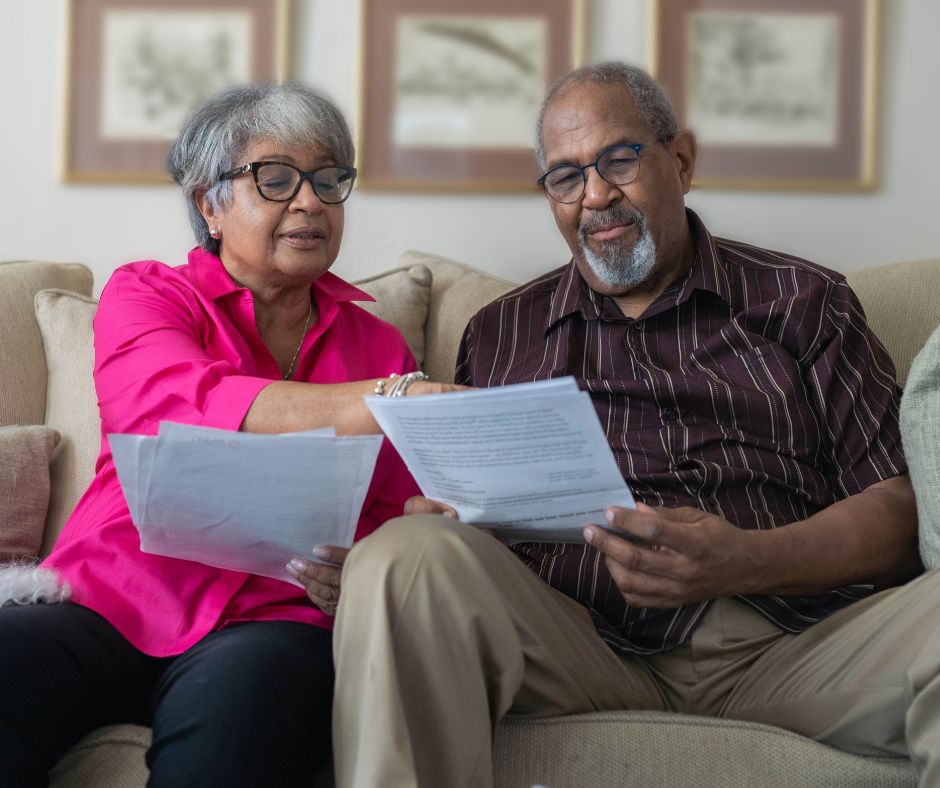
A reverse mortgage is an option for homeowners aged 62 years and up to access cash by tapping into a portion of their home’s equity without selling their home or making monthly mortgage payments. Reverse mortgages allow homeowners to remain in their homes and retain ownership payment free until they either move, sell the home, or pass away. When any of those three circumstances occurs, the loan will become due, but not immediately. (Scroll down for specifics on that timeline and process.) Reverse mortgages come in a variety of options. Homeowners can borrow money in one lump sum, as a monthly disbursement, a line of credit that grows over time, or some combination of these options. It’s a flexible and niche product.
Why would someone want a reverse mortgage?

The biggest reason for getting a reverse mortgage is allowing the homeowner to age in place. Often when someone retires, they have less liquidity and a more stringent budget to maintain. Conversely, many retirees own homes with low-to-zero mortgage balances. Their home is often their greatest asset. Instead of selling their home to access funds, they can use a reverse mortgage to tap into the home’s equity while staying in the home they love. A monthly mortgage payment can be a sizable burden once on a fixed income and taking out a reverse mortgage to pay off the existing mortgage and eliminate that monthly expense can be a lifechanging move. Common other reasons for needing the extra funds are home repairs like replacing a roof and lifestyle upgrades such as making the home more accessible with ramps, railings, etc.
How does the reverse loan work?
The loan balance increases over time as interest and fees accrue and more money is disbursed. As long as the homeowner remains in the home, maintains homeowner’s insurance and stays up to date with property taxes, repayment is not required. The maximum amount the owner is allowed to borrow depends on a few factors including the home’s value, the age of the owner, the amount of any existing mortgage on the property, and current interest rates.
What happens when the loan comes due?
When the homeowner passes away, their heirs have options. They can pay off the loan balance and maintain ownership of the home or sell the home and use the proceeds to pay off the loan balance keeping the remaining proceeds of sale. The most important thing to know is that the lender does not require immediate payment on the loan. They give the family time to review their options and decide what course of action is best for them. Typically, the surviving family has six months to discuss and make arrangements before the loan must be repaid.
What if the market shifts and home values have decreased since the reverse mortgage originated?

This is where two unique options come into play. The first is the 95% rule. The 95% rule is an option for the heirs to pay 95% of the home’s current appraised value in order to keep the home. This ensures the heirs will not have to pay more than the home is currently worth even if the loan has grown past that amount. If the heirs are not interested in maintaining ownership of the home and the value has declined below the value of the loan, they can allow the lender to assume ownership of the property without any additional financial responsibility. In both instances, mortgage insurance covers the gap between home value and loan amount relieving the heirs from financial responsibility. In short, you will never be required to pay back more than the home’s current value despite the loan amount.
Why do so many people believe that they can owe more than the home’s value when a reverse mortgage comes due?
The consumer protections surrounding reverse mortgages or Home Equity Conversion Mortgages (HECMs) we have today are the result of decades of learning and legislation which began in the late 1980s. Prior to this time, there was very little regulation around reverse mortgages, and this is where many of the negative misconceptions around reverse mortgages come from. Since 1988, reverse mortgages have been insured by the Federal Housing Authority (FHA). In addition to insuring reverse mortgages to prevent owing more than the home’s value, standards were set for required lender disclosures and transparency as well as mandatory independent counseling so that the borrower has a clear understanding of the loan option and how it works before committing. While there were lax standards and predatory behavior in the world of reverse mortgages in the past, the legislation that has been in place or nearly four decades has made this a safe and valuable option for older homeowners.
What should I do now to prepare my family?

Have a candid conversation with your family explaining why you chose a reverse mortgage, how it works, and what to expect when the time comes to pay off the loan. As with any inheritance be it monetary or property, setting clear expectations with your family early on can prevent surprise, disappointment, and arguments. Maintain a file with your loan documents, lender contact details, and what’s next information and make sure your family has access to it. Creating a transition plan for your family can also alleviate stress by clearly stating who should take responsibility for coordinating with the lender and what your would like the family to do with the home.
You have worked hard to buy and maintain your home. If you are 62 or older and looking to access funds without increasing your monthly expenses, now might be the time to let your home work for you. If you have any questions about how a reverse mortgage works or if it is the best financial option for you, we’re here to help.